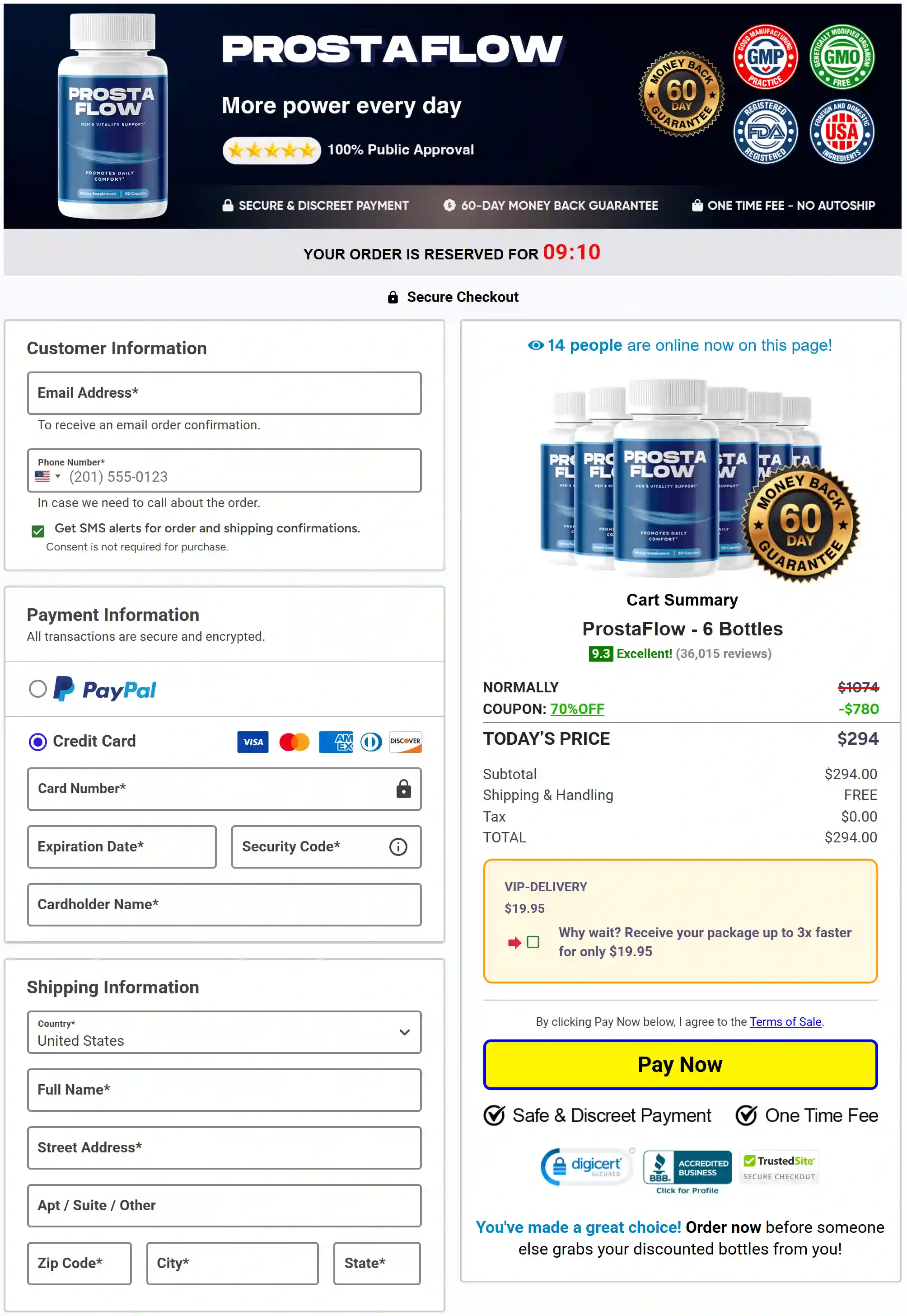
Prosta Flow: gentle daily support for a healthy urinary flow
Waking at night, a weaker stream or a bladder that never feels quite empty are common as men age. Prosta Flow is a daily supplement made to support prostate comfort and normal urinary function, so you can pair good habits with nutrition and stay on top of your health.
- Made to support prostate comfort and urinary flow
- One easy daily routine with clear label directions
- Straight talk about when to speak with a doctor
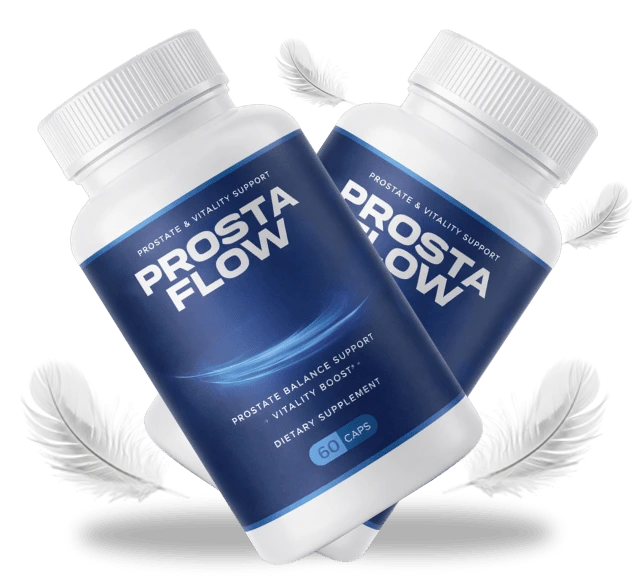
Meet Prosta Flow
Prosta Flow is a dietary supplement designed to support prostate comfort and healthy urinary flow in adult men, alongside a balanced diet and an active lifestyle.
Few topics are harder for men to bring up than the bathroom. Yet changes in urination are among the most common health concerns after middle age. The prostate, a small gland beneath the bladder, tends to grow over the years, and because it surrounds the urethra, even a small change can be noticeable. Prosta Flow is aimed at men who want to take a practical, daily step for this part of their health.
It helps to be precise about what Prosta Flow is and is not. It is a nutritional supplement. It is not a drug, it does not shrink the prostate and it is not a replacement for screening, diagnosis or prescribed treatment. Think of it as one supporting element in a plan that includes regular check-ups and sensible habits.
The sections below walk through how the prostate works, which symptoms deserve prompt attention, which ingredient types appear in products of this kind, how to take Prosta Flow, who should check with a professional first and how to set realistic expectations.
The prostate and urinary flow: the basics
The prostate is a walnut-sized gland that produces fluid which forms part of semen. It sits beneath the bladder and wraps around the urethra, the tube that carries urine out of the body. Because of this position, any change in the size or condition of the prostate can affect how easily urine passes.
Prostate tissue usually continues to grow slowly during adult life. In many men the gland becomes enlarged with age, a very common, non-cancerous condition known as benign prostatic hyperplasia (BPH). As the gland grows, it can press on the urethra and the bladder may have to work harder. Doctors diagnose and manage this condition, and supplements should never be used in place of an assessment.
Age
Prostate changes become more common from the forties and fifties onwards. By age sixty, a large share of men have some degree of enlargement, though not all have symptoms.
Hormone changes
Hormones such as testosterone and its by-product dihydrotestosterone (DHT) influence prostate tissue. Their balance shifts through life.
Inflammation
Low-grade inflammation and infections can affect the prostate and bladder. Diet, weight, activity and overall health influence inflammation.
Body weight
Excess weight, especially around the waist, is associated with more urinary symptoms in many studies. Healthy weight management often helps comfort.
Fluid habits
Drinking a lot late in the evening, or too much caffeine and alcohol, can increase trips to the bathroom at night regardless of the prostate.
Other conditions
Diabetes, sleep apnea, heart and nerve conditions, and certain medicines such as decongestants and diuretics can all affect urination.
Because many conditions can cause urinary changes, an accurate diagnosis matters. A doctor can check your prostate, test your urine and blood, and decide what is going on.
When to see a doctor
Do not rely on a supplement to manage urinary symptoms without medical advice. Some symptoms can signal infection, bladder or kidney problems, or prostate cancer. Seek medical help promptly if you notice any of the signs below.
| Symptom | Why it matters |
|---|---|
| Sudden inability to urinate, or severe pain in the lower abdomen | This can be acute urinary retention, a medical emergency. Go to urgent care or emergency services. |
| Blood in the urine or semen | Needs prompt investigation for infection, stones or other causes. |
| Fever, chills or pain when urinating | May indicate a urinary tract or prostate infection that needs treatment. |
| Weak, slow or stop-start stream; straining; dribbling | May reflect an obstruction or bladder problem that should be assessed. |
| Waking two or more times a night to urinate | Has many possible causes, including prostate changes, diabetes or sleep apnea. |
| Pain in the lower back, hips or pelvis, or unexplained weight loss | Needs medical review to rule out serious conditions. |
Men in the United States are advised to talk with their doctor about prostate screening, usually starting around age fifty, or earlier if there is a family history or higher risk. A supplement cannot detect or rule out cancer.
Ingredients commonly used in prostate support formulas
Prosta Flow follows the approach of modern men’s prostate support supplements. Below is an educational overview of ingredient types commonly used in this category. Always read the Supplement Facts panel on your bottle for exact ingredients, amounts and allergen information, because the label is the final authority.
Saw palmetto
A palm berry extract widely used in men’s health products. It has been studied in connection with urinary comfort, with mixed results across trials.
Pumpkin seed extract
Pumpkin seeds are traditionally eaten for prostate and bladder wellness and provide zinc, magnesium and plant sterols.
Beta-sitosterol
A plant sterol found in many seeds, nuts and vegetables. Some studies have explored its role in urinary comfort in men.
Stinging nettle root
A traditional herb used in European herbal practice for urinary and prostate wellness, often combined with other botanicals.
Pygeum africanum
A bark extract from an African tree, long used in herbal medicine and studied for urinary symptoms.
Zinc
An essential mineral found in high concentration in prostate tissue. It contributes to normal reproduction and fertility and to cell protection.
Lycopene
A carotenoid antioxidant found in tomatoes and watermelon. It is frequently included in men’s wellness products for its antioxidant role.
Selenium and vitamin D
Selenium contributes to normal immune function and protection of cells, while vitamin D supports muscle, bone and immune health.
Quality matters as much as the ingredient list. Look for clear dosages, standardized extracts, tested raw materials and a manufacturer that follows Good Manufacturing Practices. Be careful with “proprietary blends” that hide amounts, and avoid any product that claims to shrink the prostate or replace medication.
What Prosta Flow is designed to support
Supplements play a supporting role. They do not treat disease or replace a doctor. With that in mind, these are the areas Prosta Flow is designed to support when taken consistently, together with good habits and professional care.
Healthy prostate function
Nutrients such as zinc and selenium, together with traditional botanicals, are used to support normal prostate cell health. The aim is to give the gland nutritional support as you age.
Comfortable urinary flow
Many men look for support for a steady stream and for fewer interruptions in daily life. Ingredients such as saw palmetto and pumpkin seed are commonly chosen for this purpose, although individual results vary and evidence is mixed.
Fewer disruptions at night
Combined with sensible evening fluid habits, supportive nutrition may help some men feel more comfortable overnight and sleep better. Better sleep also supports mood, energy and daytime focus.
Antioxidant support
Lycopene, selenium and other antioxidants help protect cells from oxidative stress, which is one of the many factors in normal ageing.
Confidence and peace of mind
Taking an active role in your health can reduce worry and embarrassment. A daily routine, along with regular check-ups, helps many men feel in control.
A simple, consistent routine
Buying separate bottles of herbs and minerals can be costly and confusing. One daily product makes consistency easier, and consistency is what makes a supplement worth taking.
How to take Prosta Flow
Take Prosta Flow exactly as directed on the product label, usually with water and a meal at the same time each day. Do not exceed the recommended dose.
- Talk to your doctor. Share your symptoms, medicines and any plans to use a supplement before you start.
- Read the label. Check serving size, ingredients and every warning.
- Take it with food. Herbs and minerals are generally better tolerated with a meal.
- Be consistent. Choose a time you can keep, such as breakfast.
- Allow time. Many people give prostate support products at least eight to twelve weeks before judging them.
- Track symptoms. Note night-time trips, stream strength and comfort weekly. Share the notes at check-ups.
- Store properly. Keep the bottle closed, in a cool dry place, away from sunlight and children.
If you notice stomach upset, rash, dizziness, headache or worsening urinary symptoms, stop taking the product and speak with a healthcare professional.
Daily habits for urinary comfort
Lifestyle changes are often the first step recommended by doctors for mild urinary symptoms. These habits are simple and free.
Spread fluids through the day
Drink enough water during the day, but taper off in the two to three hours before bed to reduce night-time trips.
Limit caffeine and alcohol
Both can irritate the bladder and increase urine production. Cutting back, especially in the afternoon and evening, helps many men.
Take your time
Relax when you urinate, and do not rush. Some men find that urinating again a minute after finishing helps empty the bladder more fully.
Do not hold it too long
Respond to the urge in a reasonable time, and keep regular bathroom habits.
Stay active
Regular walking, cycling or swimming supports circulation, weight control and bladder health. Aim for 150 minutes of moderate activity a week.
Strengthen the pelvic floor
Pelvic floor exercises are not just for women. A physiotherapist can show you how to do them correctly.
Eat well
Fill your plate with vegetables, fruit, legumes, whole grains, fish and nuts. Tomatoes, cruciferous vegetables, pumpkin seeds and berries are popular choices for men’s health diets. Limit processed meat and excess red meat.
Manage weight and blood sugar
Healthy weight and blood sugar control support urinary health and overall wellbeing.
Take care of your prostate health
Support your routine with a daily product made for men.
Buy Prosta Flow todayWho Prosta Flow is for, and who should be careful
May be a good fit if you are
An adult man, generally over forty, who has already discussed urinary or prostate health with a doctor and wants a daily nutritional supplement alongside healthy habits and regular check-ups.
Speak to a doctor first if you
Take prescription medicines, especially finasteride, dutasteride, alpha blockers such as tamsulosin, blood thinners, blood pressure medicines or hormone therapy. Herbal ingredients such as saw palmetto may interact with some medicines.
Do not use Prosta Flow if you
Are under 18, are a woman who is pregnant or nursing, are allergic to any ingredient, have been told by a professional to avoid it, or are using it to delay seeing a doctor about worrying symptoms.
How to choose a supplement you can trust
Prostate supplements are marketed with many bold claims. Use this checklist for Prosta Flow or any other product.
| What to check | Why it matters |
|---|---|
| Full ingredient list with amounts | Lets you compare doses with research and avoid hidden blends. |
| Manufacturing standards | Look for Good Manufacturing Practices and independent testing. |
| Realistic claims | Be cautious about “shrinks the prostate” or “cures BPH”. Honest brands say “supports”. |
| Warnings and interactions | A trustworthy label lists who should avoid the product and what medicines to check. |
| Transparent business details | Look for working contact details, a refund policy and clear shipping information. |
| Independent reviews | Read feedback on several sites, not only the brand’s own page. |
In the United States, the FDA regulates supplements as foods and does not approve them before sale, so your own research and your doctor’s advice carry real weight.
What to realistically expect
Research on botanical prostate ingredients is mixed. Some trials report modest improvements in urinary comfort, while others find little difference from placebo. That means a supplement may help some men a little, help others not at all and cannot be promised to work for everyone. Treat any product that guarantees results with suspicion.
If you try Prosta Flow, commit to a fair trial of eight to twelve weeks, keep a simple log of night-time trips and stream comfort, and keep up your other habits at the same time. This gives you something concrete to review with your doctor and makes it easier to judge whether the product is worth continuing.
Please also remember that worsening symptoms, pain, blood in the urine or fever are never reasons to wait. They are reasons to book an appointment, or to seek urgent care if you cannot pass urine at all. A good supplement brand will always tell you the same.
Common myths about prostate health
Myth: an enlarged prostate means cancer
BPH is not cancer and does not by itself increase cancer risk. However, the symptoms can overlap, so you should have them checked.
Myth: only old men have prostate problems
Risk rises with age, but younger men can have prostate inflammation or infection. Any persistent symptoms deserve attention.
Myth: a supplement can shrink the prostate
No supplement is proven to shrink an enlarged prostate. Prescription medicines and procedures exist for that purpose and should be discussed with a doctor.
Myth: drinking less water helps
Dehydration concentrates urine and can irritate the bladder and promote infections. Drink enough during the day, and reduce fluid before bed.
Myth: frequent urination always means a prostate problem
Diabetes, bladder conditions, medications, caffeine, alcohol and sleep disorders can all cause frequent urination.
Myth: natural means safe with every medicine
Herbs have active compounds and can interact with prescriptions. Always check with a pharmacist or doctor.
Quick glossary
BPH: benign prostatic hyperplasia, a non-cancerous enlargement of the prostate. Urethra: the tube that carries urine out of the body. Nocturia: waking at night to urinate. PSA: prostate-specific antigen, a blood marker used in screening decisions. Supplement Facts: the label panel listing serving size and ingredients.
Why so many men put off the conversation
Surveys regularly find that men wait months or even years before mentioning urinary symptoms. Some assume it is just part of getting older. Others feel embarrassed, worry about an examination or fear bad news. Unfortunately, waiting can allow treatable problems, such as infections or bladder stones, to grow worse and can delay the diagnosis of more serious conditions.
A good first step is to treat the topic like any other health check. Book an appointment, write down your symptoms and bring your questions. Many men are relieved to learn that a common, non-cancerous cause is behind their symptoms and that effective options exist, from lifestyle changes to prescription medicines and procedures. Supplements such as Prosta Flow can be discussed as an extra, not as a substitute.
Talking to friends and family can help too. Men who share their experiences often find that others are dealing with the same issues, and that mutual encouragement makes it easier to eat better, exercise and keep appointments.
Preparing for a conversation with your doctor
Many men delay talking about urinary symptoms because they feel embarrassed. Doctors discuss these issues every day, and early assessment makes treatment easier. A little preparation makes the visit more useful.
Write down your symptoms
Note how often you urinate by day and night, how strong the stream is, whether you strain, whether you leak, and whether you feel the bladder empties. Some clinics ask you to keep a bladder diary for a few days, recording drinks and bathroom visits.
List medicines and supplements
Include prescriptions, over-the-counter cold remedies, vitamins and herbal products such as Prosta Flow. Bring the bottles or take photos of the labels so your doctor can check for interactions.
Share your history
Mention any family history of prostate or other cancers, past urinary infections, diabetes, heart problems, sleep apnea or surgery. This helps your doctor decide which tests are right for you.
Ask questions
Useful questions include: What do you think is causing my symptoms? Which tests do I need? Is it safe to take a supplement with my medicines? What lifestyle changes would help most? When should I come back?
Know what tests may be offered
Your doctor may check urine for infection or blood, perform a physical exam, order blood tests such as PSA after a shared decision about the pros and cons, and measure how well you empty your bladder. These help separate harmless age-related change from conditions that need treatment.
Eating for prostate and urinary wellness
No single food protects the prostate, but overall dietary patterns are linked with better general and urinary health. These suggestions follow common healthy-eating guidance for adults.
Fill half your plate with plants
Vegetables and fruit provide fibre, vitamins and antioxidants. Tomatoes, broccoli, cauliflower, kale, berries and citrus are popular choices. Fibre also helps prevent constipation, which can add pressure on the bladder.
Choose fish and healthy fats
Oily fish such as salmon and sardines provide omega-3 fats. Olive oil, nuts and seeds provide unsaturated fats. These fit well with Mediterranean-style eating, which is widely recommended for heart and general health.
Moderate red and processed meat
High intakes of processed meat are associated with poorer health outcomes. Lean poultry, fish, eggs, beans and lentils are good alternatives.
Watch irritants
Some men find that spicy food, artificial sweeteners, carbonated drinks, caffeine and alcohol irritate the bladder. Try reducing one at a time to see whether symptoms change.
Stay at a healthy weight
Combining good food with movement is the most reliable way to manage weight, which in turn supports urinary comfort and lowers the risk of other conditions.
Frequently asked questions about Prosta Flow
What is Prosta Flow?
Prosta Flow is a dietary supplement designed to support prostate health and healthy urinary flow in adult men when used with a balanced diet and healthy lifestyle.
Does Prosta Flow treat or cure prostate problems?
No. Prosta Flow is a dietary supplement and is not intended to diagnose, treat, cure or prevent any disease, including benign prostatic hyperplasia or prostate cancer.
When should I see a doctor about urinary symptoms?
See a doctor if you have a weak or interrupted stream, frequent night-time urination, pain, blood in the urine, fever, or any sudden inability to urinate. These symptoms need proper medical assessment.
How do I take Prosta Flow?
Follow the directions on the product label. Most daily supplements are taken with water and a meal at the same time each day. Do not exceed the recommended dose.
How long before I notice a difference?
Results vary. Many people allow at least eight to twelve weeks of consistent use alongside healthy habits before judging a prostate support supplement.
Can I take Prosta Flow with prostate medication?
Speak with your doctor or pharmacist first. Some herbal ingredients may interact with prescription medicines, including those for prostate, blood pressure and blood thinning.
Will it affect my PSA test?
Some herbal products have been reported to influence PSA readings. Tell your doctor about any supplement you take before screening tests.
Can I take it with other supplements?
Many men take a multivitamin, but doubling up on zinc, selenium or herbal extracts can exceed safe limits. Add up the totals on each label and ask a pharmacist or doctor.
Are there side effects?
Some people experience stomach upset, nausea, headache or dizziness. Stop use and consult a professional if you notice unwanted effects.
Is it suitable for younger men?
Prosta Flow is made for adult men. If you are young and have urinary symptoms, see a doctor, as they may point to infection or inflammation that needs treatment.
Where can I buy Prosta Flow?
Use the order buttons on this website to reach current availability, pack options and shipping. Buying from the official source helps you avoid counterfeit products.
Can I use it long term?
Discuss long-term use with your healthcare provider and review your symptoms and health at regular check-ups instead of taking any supplement indefinitely without review.
Ready to support your prostate health?
Combine regular check-ups, healthy habits and a daily supplement you understand. Visit the official secure checkout to see current availability, pack options, shipping and refund terms for Prosta Flow.
Order Prosta Flow now